1. New Unit - How can we find our way? pp 72-97 Key concept - Connections Related concepts - Context Global Context - Orientation in space and time Statement of Inquiry -Exploration allows us to better understand our orientation in space and time, and make connections to others through experiencing the context of their lives.
Consider these questions: Factual: What do you need to know in order to find your way? Why don't animals get lost? Conceptual: What should you do if you lose your way? How can we help others find their way? Debatable: Is getting lost always a bad thing? Which learner profile attributes would help me find my way? 2. p. 74-75 What skills do I need to help me survive if I get lost in the wilderness?
January 20, 21, 22, 28, 29
1. Mindfulness
2. Review Reading Test
3. Oral Presentation - Design a restaurant
4. Powerpoint presentation and discussion
5. Groups: organize students into working groups
6. Complete worksheet (2 lessons)
7. Make decisions
8. Organize Presentation (1 lesson)
9. Practice
10. Presentations January 29
January 6, 7 1. Similies - Writing to describe p 62
A similie is a way of describing something by comparing it to something else, usually using the word "like" or "as". 2. Watch the video
Look at the above GROW poster (also on p 65) and consider the following questions:
1. According to the poster, what can you do to help fight hunger?
2. What is the purpose of this poster and who is the target udience?
3. How do the visual aspects of the poster link to the written text?
4. Evaluate how successful is the poster at achieving its purpose? What features make it effective? List at least 5 features.
5. How does the poster make you feel? Will it influence the way you think about food?
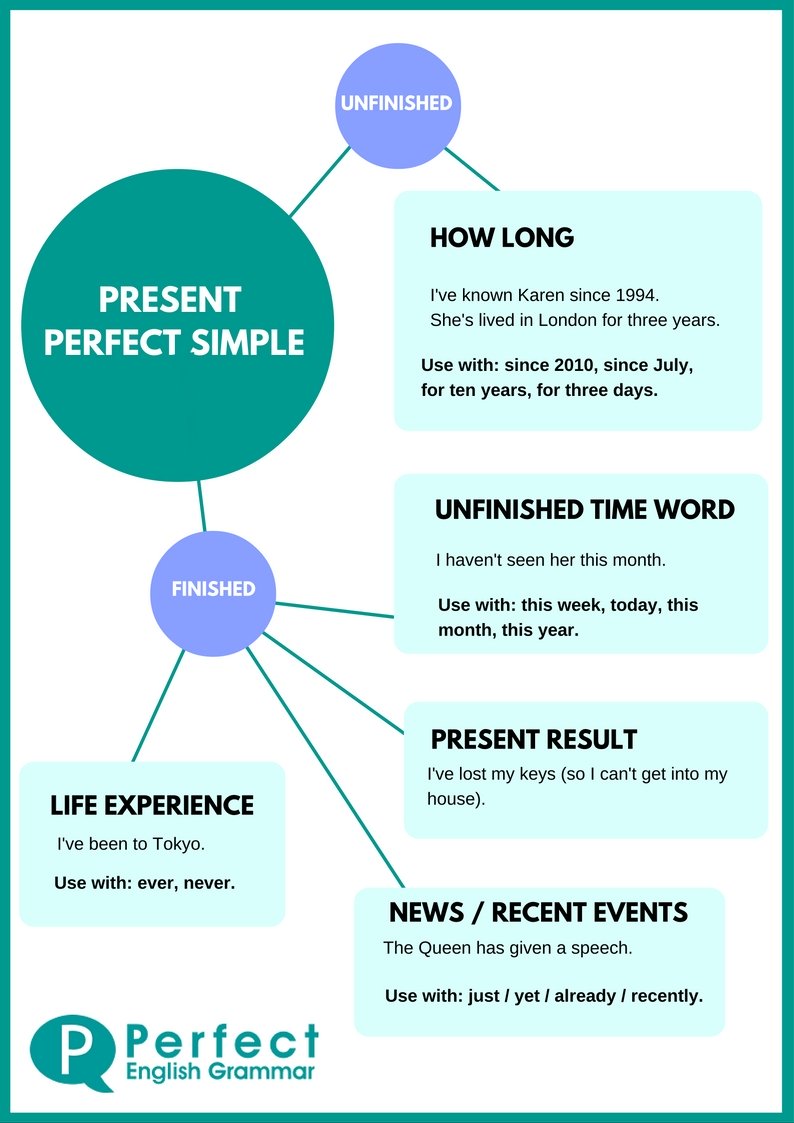
December 16, 17 1. Present Perfect Quiz - Criterion D
2. p. 59 What does the food we eat tell us about who we are?
The Humble Sandwich Read-Think-Write - Write a set of guidelines for how to make a sandwich of your choice. Think about how sandwichs take on different forms depending on where you are in the world. Your sandwich could be an Italian panini, a Cuban sandwich, a Greek gyros or a Mexican Burrito.
3. p. 59 Writing a set of instructions . . .
Here are some tips to help you write:
Guidelines on how to prepare food are usually known as recipes
Use the present simple tense to give instructions. Think of some verbs you might want to use, for example: spread, wash, cut, put.
Make sure your sentences are clear and simple. Use connectives such as: first, next, now, then, finally. Can you think of any others?
Present your guidelines in a logical order. You may want to number them.
If you want some guidance, try looking up a recipe. There are plenty online or maybe someone at home has a recipe book lying around?
Start by giving your reader a list of what they will need to make the sandwich.
You will need two slices of bread, some butter and . . .
|Add any other ingredients you want to include to this list.|
First . . .
Why not test out your guidelines by getting a friend or family member to try making your sandwich?
December 17 1. 5 minute warm-up Respond to the following prompt in your journal: Would you rather be a polar bear or a penguin living in the North Pole?
2. p. 60 How does the food we eat, and the way we eat it, reflect our culture?
December 9 1. 1. 5 minute warm-up Respond to the following prompt in your journal: If I wake up tomorrow and everything has changed, what will have changed?
2. p. 53 Making Notes -
Taking good notes helps you focus on and organize the information you
need to study and learn. The most important thing about note taking is
that you need to do more than simply listen and write. What strategies
do you use to take notes? Do you have a special way to make notes?
To take good notes you need to listen, think, respond, question, summarize, organize label and write.
10 Steps on "How to make notes"
1. Label and date your notes at the beginning of the page.
2. Read or listen to the text carefully and make sure you understand what it is about.
3. Write your notes as neatly as you can.
4. Work out what the important facts are.
5. Select information - you do not want sentences, you want:
-single words (especially nouns, adjectives, verbs)
-short phrases
-use your own words
6. Relate the material to something in your life by writing an example or a reminder.
7. Use colours to highlight important sections or things you do not understand.
8. Use lines and arrows to show the links between things.
9. Use a system or note-taking guide that works for you.
10. Ask questions when you do not understand something and always re-read your notes.
1. 5 minute warm-up Respond to the following prompt in your journal: Greta Thunberg is coming to Portugal today (Tuesday, Dec 3). If you speak with her, what would you say? 2. Grammar - Subject/Verb agreement (ex: he walks, they talk) https://www.grammarbook.com/grammar_quiz/subject_verb_agreement_1.asp
3. Finish presentations
December 3 1. 5 minute warm-up Respond to the following prompt in your journal: What would happen if there were no cars, buses, trains, boats, or planes? How would this change your life? 2. p 52 How can we ensure that choices we make about food don't have harmful consequences?
Where does our food come from?
a. Read text
b. Activity: Where does my food come from?
Task 1 - Take a look at the example package label. Where does the product come from?
Task 2 - Complete the table on p. 52. What surprised you most about what you found out through your research?
December4 1. 5 minute warm-up Respond to the following prompt in your journal: The house was so quiet, but then I heard…
2. p. 53 Making Notes -
Taking good notes helps you focus on and organize the information you need to study and learn. The most important thing about note taking is that you need to do more than simply listen and write. What strategies do you use to take notes? Do you have a special way to make notes?
To take good notes you need to listen, thibnk, respond, question, summarize, organize label and write.
10 Steps on "How to make notes"
1. Label and date your notes at the beginning of the page.
2. Read or listen to the text carefully and make sure you understand what it is about.
3. Write your notes as neatly as you can.
4. Work out what the important facts are.
5. Select information - you do not want sentences, you want:
-single words (especially nouns, adjectives, verbs)
-short phrases
-use your own words
6. Relate the material to something in your life by writing an example or a reminder.
7. Use colours to highlight important sections or things you do not understand.
8. Use lines and arrows to show the links between things.
9. Use a system or not-taking guide that works for you.
10. Ask questions when you do not understand something and always re-read your notes.